Thinking about buying acreage in Atascadero or Templeton and seeing “Williamson Act” in the listing? You are not alone. Many country buyers love the tax savings but worry about what they can and cannot build. In this guide, you will learn what the Williamson Act is, how it affects taxes and land use, and the exact due diligence steps to take in North County. Let’s dive in.
The Williamson Act is a voluntary contract between a landowner and the county that preserves agricultural and open-space land. In exchange for limiting non-agricultural development, the property is taxed based on agricultural productivity rather than full market value. The standard contract runs for a minimum of 10 years and automatically renews each year unless nonrenewal or cancellation procedures are started.
There is also a stricter option called a Farmland Security Zone. It generally offers larger tax benefits in exchange for longer commitments and tighter rules. The program is created by state law, but it is administered locally. County planning and agricultural departments implement the rules and manage the contracts.
A parcel under a Williamson Act contract typically has lower property taxes because the assessor values acreage on agricultural productivity. Savings can be substantial on larger tracts, but they vary by parcel and assessment method. The contract does not remove all charges, so some special assessments or fees may still apply.
The contract restricts non-agricultural development, so subdivision and urban-style projects are generally not allowed. Most counties allow a primary residence and normal agricultural improvements if they meet county standards. If you want to change use, add multiple homes, or pursue more intensive development, expect added approvals and possibly a formal cancellation process that can be lengthy and costly.
The contract stays with the land when you buy. That means you inherit both the lower taxes and the use limits. Appraisals and lender underwriting account for the restriction, and some lenders will ask for county confirmation of permitted residences and improvements before closing.
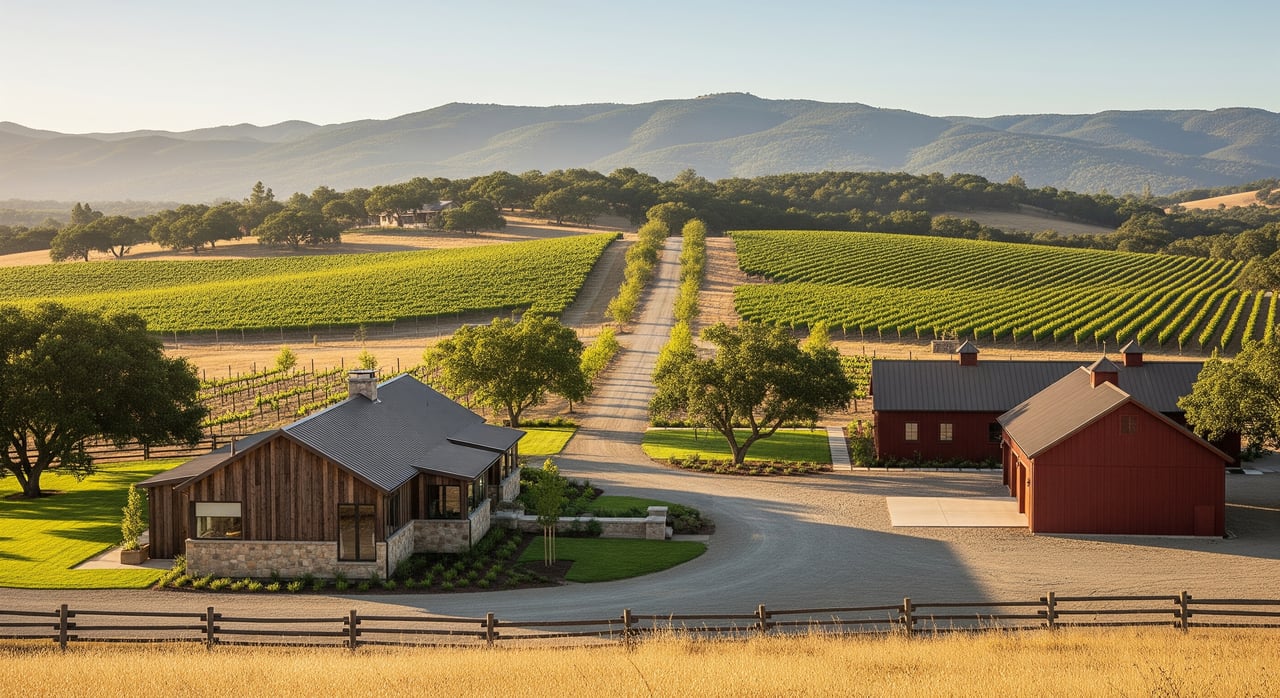
In North County, common agricultural uses include vineyards, orchards, grazing, and specialty crops. Many Williamson Act parcels are large rural tracts where zoning and the contract together set practical limits on building and intensity. Buyers seeking a working ranch or hobby farm often view enrollment as a plus because it supports the rural character and lowers carrying costs.
If you plan to subdivide or push non-ag development, the contract is a meaningful obstacle. San Luis Obispo County administers these contracts through its planning processes and public hearings. Always confirm current county policies directly with staff because procedures and interpretations can evolve.
A common pitfall is assuming you can build multiple homes or a very large residence without checking county standards. Another is underestimating the time and cost to cancel or change a contract. The process can take months and often requires formal findings and fees.
Do not rely on the idea that state subventions to counties will influence your approval odds or contract enforcement. Those payments vary over time and do not change the law. Also watch for overlapping restrictions like conservation easements, which add separate limits.
If you want a barn, arena, or additional ag structures, verify that these improvements fit county-allowed uses for the contracted parcel. Confirm water availability and access to the areas where you plan to build.
Check the site’s agricultural viability through recent history, soils, and water. Confirm that any agricultural processing or direct-sale activities you envision align with county allowances for contracted land.
If you are aiming for near-term subdivision or a change to a non-ag use, plan for a lengthy and uncertain process. You may need to pursue nonrenewal or cancellation, which requires county approvals and time.
When you find a property under the Williamson Act, you want clarity early. A focused document pull, quick calls to county planning and the assessor, and early lender engagement can save weeks. You also want a local advisor who speaks both lifestyle and land-use.
With a boutique, marketing-forward approach and hands-on equestrian experience, you get guidance that blends practical barn and acreage knowledge with transaction strategy. If you are considering a Williamson Act parcel in North County, connect for a clear, step-by-step plan from offer to close.
Ready to explore country properties with confidence? Connect with Hertha Wolff- Arend to align your goals with the right parcel and process. Request a personalized country-home consultation and valuation.