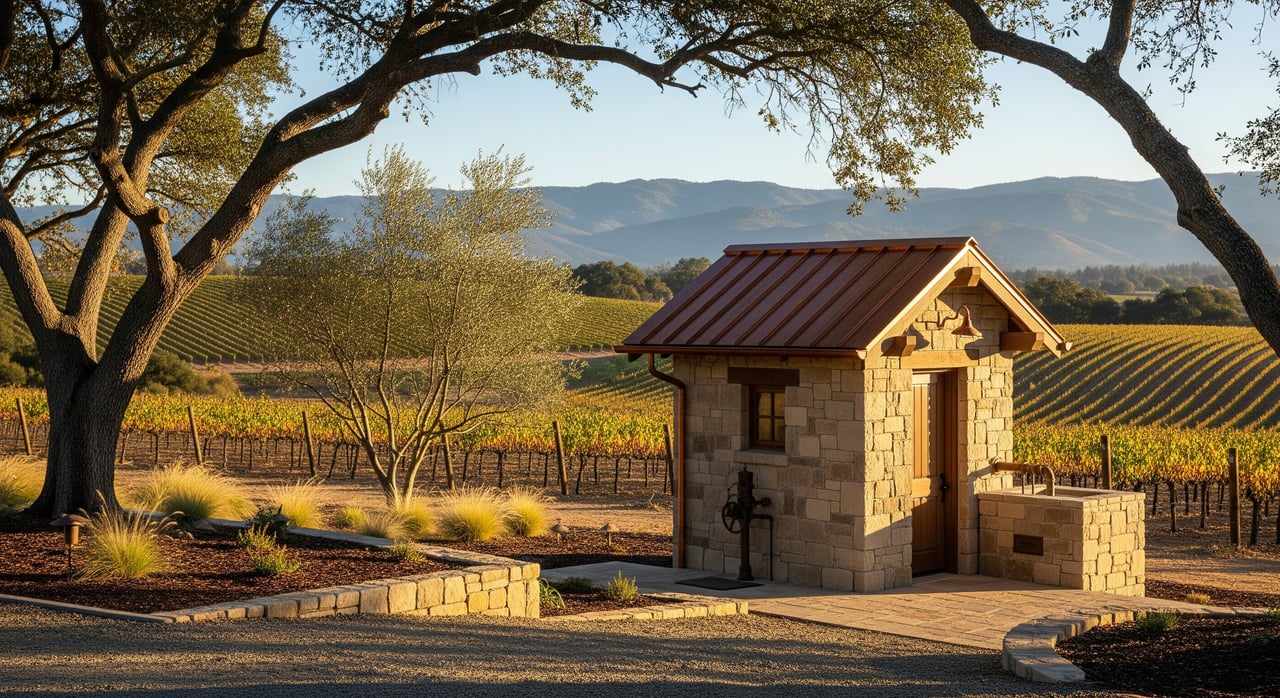
Buying Paso Robles acreage that runs on a private well can feel exciting and a bit uncertain. You want reliable water for daily life, animals, landscaping, and peace of mind during fire season. In this guide, you will learn how to evaluate a well’s flow, water quality, equipment, storage, and backup power so you can buy with confidence. Let’s dive in.
Paso Robles groundwater basics
Paso Robles and the surrounding countryside rely on groundwater from alluvial and fractured-rock aquifers. These aquifers vary a lot from one property to the next, so two neighboring parcels can have very different well yields. Drought cycles and long-term pumping also affect performance over time.
The takeaway is simple. Treat every well as unique. Do not assume your new acreage will perform like a nearby neighbor’s system. Plan to verify yield, quality, and equipment condition during due diligence.
What to inspect before you buy
Ask for well records early
Request these documents as part of your offer:
- Well completion report or well log that shows total depth, casing, screened intervals, and the yield when drilled.
- Pump installation report with pump type, horsepower, and set depth.
- Any recent water quality lab results and well service invoices.
- The well’s permit or registration number.
These records help your inspector evaluate what you have and what to test.
Schedule a licensed well and pump inspection
A licensed pump contractor or well inspector should evaluate:
- The wellhead and sanitary seal, any cracks, missing caps, or exposed casing.
- Visible corrosion or damage, the pressure tank, pressure switch, valves, and electrical connections.
- Distances from potential contamination sources such as septic systems or livestock areas.
- Any storage tanks, filters, softeners, or treatment systems.
A visual inspection will not replace testing. It sets the stage for a proper pump test and lab sampling.
Pump tests and what the numbers mean
Short vs. long pump tests
Plan on a written pump test to verify flow and recovery. Options include:
- Short test, about 1 to 4 hours. This offers a quick look at drawdown and recovery.
- Long-duration test, about 24 to 72 hours. This is best for estimating sustained yield, especially if you plan irrigation or need fire storage.
Your offer can include a pump test contingency that specifies the duration you want.
How to read the results
Look for:
- Stabilized pumping rate in gallons per minute, and drawdown measured in feet. Together, these indicate sustainable yield.
- Recovery after pumping stops. Faster recovery generally suggests a more resilient supply.
As a rule of thumb for context only, many single-family homes function well with continuous flows of about 3 to 5 gpm. Larger irrigation demand, multiple structures, or fire systems require more. Always base your decision on the test for your specific well.
Water quality testing in wine country
Minimum tests to order
At a minimum, order certified lab tests for:
- Total coliform and E. coli bacteria. Test at closing and then yearly.
- Nitrate and nitrite, due to regional agricultural and septic influences.
Some occupancy approvals may require a recent bacterial test result before you move in.
When to expand the panel
Consider testing for total dissolved solids, pH, hardness, iron, and manganese, since these influence taste, staining, and scale. If the well log or county data show risks, add arsenic and uranium. If there are nearby fuel tanks, equipment yards, or known spills, add volatile organic compounds and petroleum hydrocarbons. If the home has older plumbing, add lead.
When in doubt, ask the lab for an expanded panel that matches local geology and land use.
How often to test
- Bacteria: yearly, or any time water quality changes or work is done on the system.
- Full panels: at purchase, then as indicated by local risk or treatment equipment.
Flow, pressure, and storage planning
What gpm supports daily living
Domestic wells in Paso Robles show a wide range of yields. As a practical frame of reference:
- Low yield: less than 3 gpm. Often workable for indoor use with conservation and storage.
- Moderate yield: about 3 to 8 gpm. Common for many homes, supports indoor use and modest irrigation with scheduling.
- Higher yield: above 8 to 20 plus gpm. Better for irrigation, multiple buildings, or some fire needs without large added storage.
Actual suitability depends on your household and whether you use storage.
Pressure tanks and pump cycling
Your pressure tank reduces on-off cycling and provides short bursts of water without starting the pump every time. Tank size, pressure switch settings, and the tank’s usable drawdown all matter. Tanks that are too small cause excessive cycling and shorten pump life. Ask your inspector to document the tank size, pre-charge, and switch settings.
Fire protection storage
Rural fire agencies often require or recommend on-site water for firefighting or structure protection. Required volumes depend on the fire district, access, and building size. In many rural parts of California, storage recommendations commonly range from a few thousand to over 10,000 gallons. Always confirm the requirement with the local fire agency that serves the property. Your offer can include a contingency for fire-agency approval of the available water supply.
Power, pumps, and backup options
Electrical basics to verify
Most wells run on grid power with pump motors from about one half to two horsepower, depending on depth and flow. Have an electrician or licensed pump contractor check:
- A dedicated pump circuit and correctly sized wiring.
- Grounding, overcurrent protection, and required GFCI locations.
- The pressure switch, control box, and any motor protection.
- Presence of dry-run or low-water cutoff protections.
Backup power and storage
During outages, your options include:
- Generator with a safe transfer switch sized for your pump.
- Solar with batteries sized for pump loads and daily needs.
- Gravity or elevated storage that provides short-term pressure without power.
Even a modest storage tank can bridge a short outage and reduce stress on your pump.
Smart controls and monitoring
Modern controllers can shut the pump off if the well runs low. Adding a flow meter or pressure monitor helps you spot leaks and track performance over time. These small upgrades can help protect your pump and extend its life.
Maintenance and red flags
Routine care calendar
Plan for simple, repeatable maintenance:
- Bacterial testing yearly, or any time water quality changes.
- Visual check of the wellhead and casing yearly.
- Pump service as needed. Many pumps last 8 to 20 plus years depending on use and water chemistry.
- Pressure tank checks every few years to verify pre-charge and bladder integrity.
- Shock chlorination after contamination events or if lab tests show bacteria, performed by a qualified contractor.
- Filter and treatment upkeep per manufacturer schedules.
Red flags to watch
Take a closer look if you see:
- Missing or damaged sanitary caps, cracked wellheads, or exposed casings.
- Repeated positive bacteria tests, strong sulfur odors, metallic tastes, or staining that is not managed by treatment.
- Rapid declines in yield, very long pump run times for little water, or slow recovery.
- Frequent pump replacements in the records.
- No well log, unclear well ownership, or unrecorded shared-well usage.
- Wells sited close to septic systems, livestock areas, fuel tanks, or heavy agricultural operations.
Write contingencies that protect you
Make your offer contingent on specific well due diligence. Consider:
- Well and pump inspection contingency by a licensed contractor.
- Pump test contingency that specifies a 2 to 72 hour test with minimum acceptable flow and recovery, along with remedies if it falls short.
- Water quality contingency for certified lab results. At minimum include bacteria and nitrate, and expand based on local risk. Include remedies if results exceed health thresholds.
- Equipment and records disclosure for the well log, pump installation, maintenance invoices, and any shared-well agreements or easements.
- Septic inspection and setback verification.
- Fire-agency approval of the well and any on-site storage for required fire water supply.
Clear language gives you options if tests do not meet your needs.
Shared wells and legal checks
If the property uses a shared well, confirm a written sharing agreement and recorded easements. Undocumented sharing can create future access and maintenance conflicts. Also confirm that the well is properly permitted or registered with the county where required. Ask the seller to provide all available disclosures and service records, and plan to verify details directly with San Luis Obispo County Environmental Health and your local fire agency.
Quick field checklist for showings
- Ask for the well log, pump install report, and any recent lab tests.
- Book a licensed pump inspection and a pump test. Decide on the duration you want.
- Order certified lab sampling. Minimum is bacteria and nitrate. Add arsenic, TDS, VOCs, and other analytes as conditions suggest.
- Confirm any shared-well agreements and recorded easements.
- Talk with the local fire agency about required storage and flows for firefighting.
- Evaluate backup power plans. Consider a generator, solar with batteries, or gravity storage.
- Include well, pump, water-quality, septic, and fire-water contingencies in your offer.
If you want practical guidance that blends rural living with smart due diligence, you are in the right place. As an equestrian and country-property advisor, I help you interpret pump tests, size storage for your goals, and coordinate inspectors so you close with confidence. When you are ready, connect with Hertha Wolff- Arend to align your acreage search with a clear well-water plan.
FAQs
How much well flow does a Paso Robles home need?
- Many single-family homes function with continuous flows around 3 to 5 gpm, while irrigation, multiple structures, or fire needs require more. Always verify with a pump test on the property you plan to buy.
What water quality tests are recommended for Paso Robles private wells?
- At minimum test for total coliform, E. coli, and nitrate or nitrite. Add TDS, pH, hardness, iron, and manganese for taste and staining, plus arsenic, uranium, VOCs, or lead if local risks or older plumbing are present.
Do rural Paso Robles properties need water storage for fire protection?
- Many rural fire agencies require or recommend on-site water. Typical recommendations can range from a few thousand to more than 10,000 gallons, but you must confirm the exact requirement with the local fire agency for your property.
What if the seller cannot provide a well log for a Paso Robles acreage?
- You can still proceed, but plan for a thorough inspection, a documented pump test, and certified lab sampling. Confirm permitting and registration with the county, and consider expanded testing based on local conditions.
Can a low-yield well work for a horse property in Paso Robles?
- Often yes, if you use water-efficient fixtures and add on-site storage to buffer daily demand and irrigation. The pump test and a realistic water-use plan will guide storage sizing and equipment choices.
How often should you test private well water in San Luis Obispo County?
- Test for bacteria yearly and at purchase. Run broader panels at closing and whenever risks are present or treatment equipment is installed. Retest after any system work or water quality change.