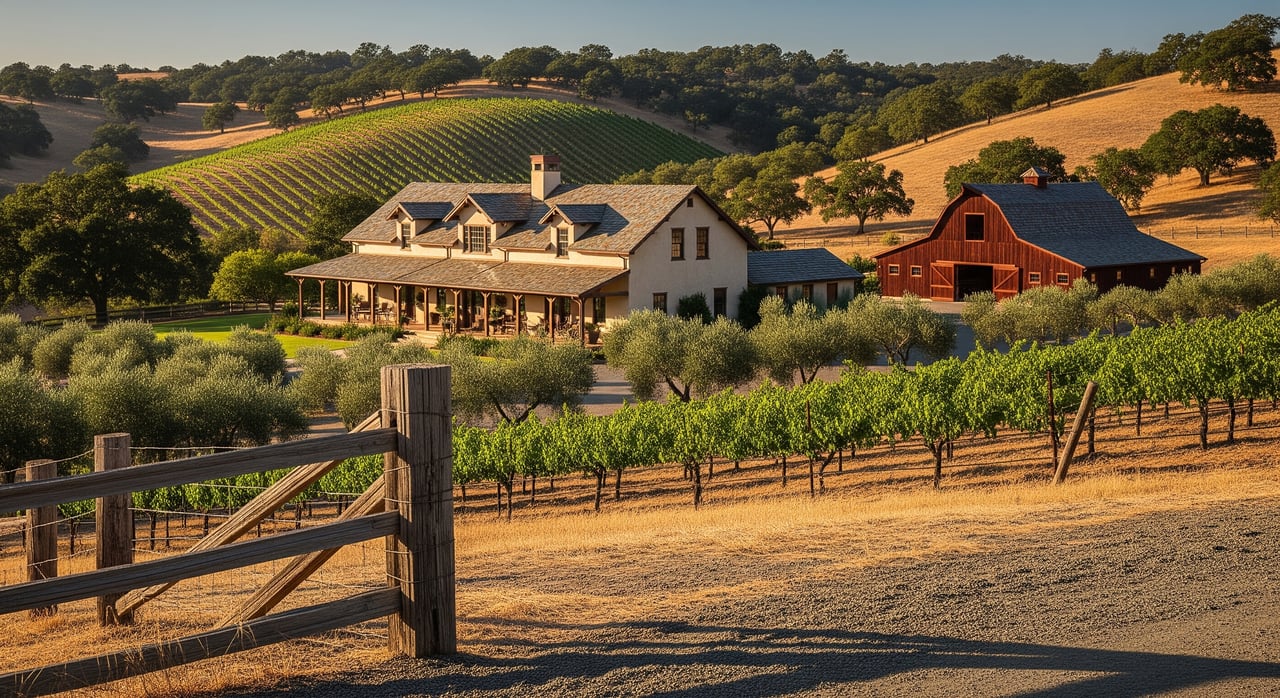
Thinking about acreage in Paso Robles but not sure where to start? You’re not alone. Between vineyard-ready parcels, equestrian ranchettes, and large ranches, listings can feel like a different language. In this guide, you’ll learn how to read Paso Robles land listings, what drives pricing, and how to focus your search based on your goals. Let’s dive in.
Market drivers to know
Paso Robles is a rural–agricultural market shaped by three forces: the wine industry, lifestyle buyers seeking space, and traditional ranch and farm uses. Demand rises and falls with interest from larger California metros, vineyard economics, and water availability.
Several local factors influence value and usability:
- Viticulture economics affect demand for vineyard-capable land and planted acreage.
- Water availability and groundwater management under SGMA shape what you can plant or build.
- Wildfire risk and insurance availability impact carrying costs and lending.
- Zoning, ag contracts, and permits determine what uses are allowed.
- Proximity to town and services changes buyer demand.
Lot sizes and what you get
Paso Robles acreage falls into a few common bands:
- Small ranchettes and hobby farms: about 2–20 acres. Good for country living, small equestrian setups, hobby vines, or gardens.
- Vineyard parcels and vineyard-ready acreage: often 5–40 acres for boutique or estate plantings. Larger plantings exist too.
- Working ranches and larger estates: 40 to 1,000+ acres in the broader county for grazing, recreation, or privacy.
Listings often include a mix of improvements:
- Homes and guest units; sometimes farmworker housing.
- Equestrian features like barns, stalls, arenas, round pens, paddocks, and cross-fencing.
- Agricultural infrastructure such as trellised vineyard blocks, drip systems, storage barns, and equipment sheds.
- On-site wells, septic systems, and propane; PG&E electric where available.
- Access via county roads or private dirt/gravel roads, with possible easements.
Pricing basics and value drivers
Price per acre varies widely across Paso Robles. Two parcels with the same acreage can price very differently based on the following:
- Usable vs. gross acres. Plantable ground, irrigated vineyard blocks, and fenced pastures hold more value than steep or rocky terrain.
- Improvements and infrastructure. Quality homes, barns, operable wells, internal roads, and winery or equestrian facilities add significant value.
- Water. Reliable, permitted wells or secure irrigation rights are major value drivers.
- Location. Parcels near town or within recognized AVAs can command premiums.
- Entitlements and permits. Approved winery or tasting room permits and validated building envelopes can increase value, along with regulatory obligations.
Entry-level ranchettes are typically priced for lifestyle appeal. Mid-range acreage with vineyard potential or existing infrastructure often prices higher. Premium planted vineyards, winery-capable properties, and high-end estates sit at the top, while large working ranches price more on grazing capacity, water sources, and infrastructure than convenience to town.
Location and AVA influence
Microclimates and soils vary by subregion. The westside hills are cooler and often attract vineyard buyers for certain varietals. Eastside plains run hotter and can suit other grape varieties or grazing. Parcels within or near recognized sub-AVAs such as Adelaida District, Willow Creek, Creston, Geneseo, or El Pomar may carry a premium for vineyard-focused buyers. Proximity to established wineries and tasting routes also increases buyer interest.
Access, roads, and logistics
Access affects daily life and operations. Properties on paved county roads with reasonable distance to Highway 101 or town are often preferred by lifestyle and vineyard operators. Longer private roads, shared easements, or steep driveways add maintenance costs and can affect financing. Ask for any road maintenance agreements and verify who pays.
Water, wells, and SGMA
Most rural parcels rely on on-site wells. You should confirm well yield, pump condition, and water quality, and understand seasonal variability. Groundwater management under SGMA means each area has specific rules and sustainability plans. If irrigation is part of your plan, ask about water rights, water district access, and any limits on new plantings.
Wildfire and insurance considerations
Hillsides, chaparral, and heavy brush can increase wildfire risk. That risk influences insurance availability and costs, and it may affect lender requirements. Expect to create defensible space, manage vegetation, and possibly upgrade materials or systems. Review local fire severity maps and discuss insurability with an experienced rural insurance broker early.
How to read listing language
You’ll see common phrases that signal value and next steps:
- “Vineyard-ready” or “plantable.” Soils and slope appear suitable, but irrigation infrastructure may not be in place. Confirm water feasibility.
- “Established vineyard.” Vines are planted, with trellis and drip systems. Ask for production records and any grape contracts.
- “Well on site.” Order a pump test, review well logs if available, and test water quality.
- “Percolation/septic approved.” Check approval date and system capacity, since standards can change.
- “Cross-fenced / arena / barn.” Confirm condition, dimensions, and whether the layout suits your equestrian goals.
Buyer checklist and due diligence
Use this quick list to stay organized:
- Water
- Order a well inspection and pump test; review logs and water quality.
- Verify irrigation rights or water district access. Check SGMA status for the basin.
- Soils and site
- Commission soil tests and maps for vineyard suitability. Verify septic testing as needed.
- Evaluate drainage, erosion, and slope stability.
- Production and ag records
- Request vineyard yields, grape contracts, and operating costs. Confirm equipment included.
- Improvements and utilities
- Inspect barns, fencing, arenas, outbuildings, electrical service, and internal roads.
- Permits and entitlements
- Confirm zoning, building permits, winery or tasting entitlements, and any ADU allowances.
- Identify Williamson Act contracts, conservation easements, or deed restrictions.
- Environmental and legal
- Review easements, mineral rights, water rights, grazing leases, and boundary surveys.
- Hazards and insurance
- Check wildfire maps and flood zones. Discuss insurance availability and premiums.
- Financial and practical
- Confirm property tax classification and any assessments or road fees.
- Evaluate access for trucks, harvest equipment, and service vehicles.
When to target each property type
- Choose a small ranchette if you want manageable acreage with room for a barn, arena, or hobby vines. You’ll focus more on livability and less on production.
- Choose vineyard-capable acreage if wine is your priority. Concentrate on soils, water, AVA location, and production potential. Records and water will drive value.
- Choose a larger ranch if you want scale and privacy, grazing capacity, or recreation. Water sources and infrastructure matter more than proximity to town.
Smart offer strategy
As you compare properties, separate land value from improvements. Homes, barns, permitted wineries, and planted vineyard blocks can skew price per acre. Ask for production history and vendor lists for agriculture-heavy listings. Budget for upgrades to older improvements and factor insurance, road maintenance, and vegetation management into your long-term costs.
Work with a local specialist
Rural transactions are detail-heavy. The right advisor will bring local comps, coordinate specialists like well drillers and viticulture consultants, and flag red-flag issues before you write an offer. If you’re balancing equestrian needs with vineyard potential or country-living goals, choose representation that can translate barn systems, fencing, and water into real market value.
Ready to map your search and pressure-test a short list of properties? Request a personalized country-home consultation with Hertha Wolff- Arend to align your goals, due diligence, and offer strategy.
FAQs
What affects Paso Robles land prices most?
- Usable acres, water reliability, improvements, AVA proximity, and permits influence value more than raw acre count.
How do I verify a rural well in Paso Robles?
- Order a pump test, review well logs, and test water quality; confirm seasonal variability and any irrigation rights or limits.
What does “vineyard-ready” actually include?
- It usually signals suitable soils and slope but not necessarily irrigation or trellising; verify water feasibility and development costs.
How does wildfire risk impact buying?
- Higher risk areas can raise insurance costs and lender requirements; plan for defensible space and confirm insurability early.
Are private road easements a concern?
- Yes. Review access rights, maintenance obligations, and costs; they can affect financing and long-term ownership expenses.