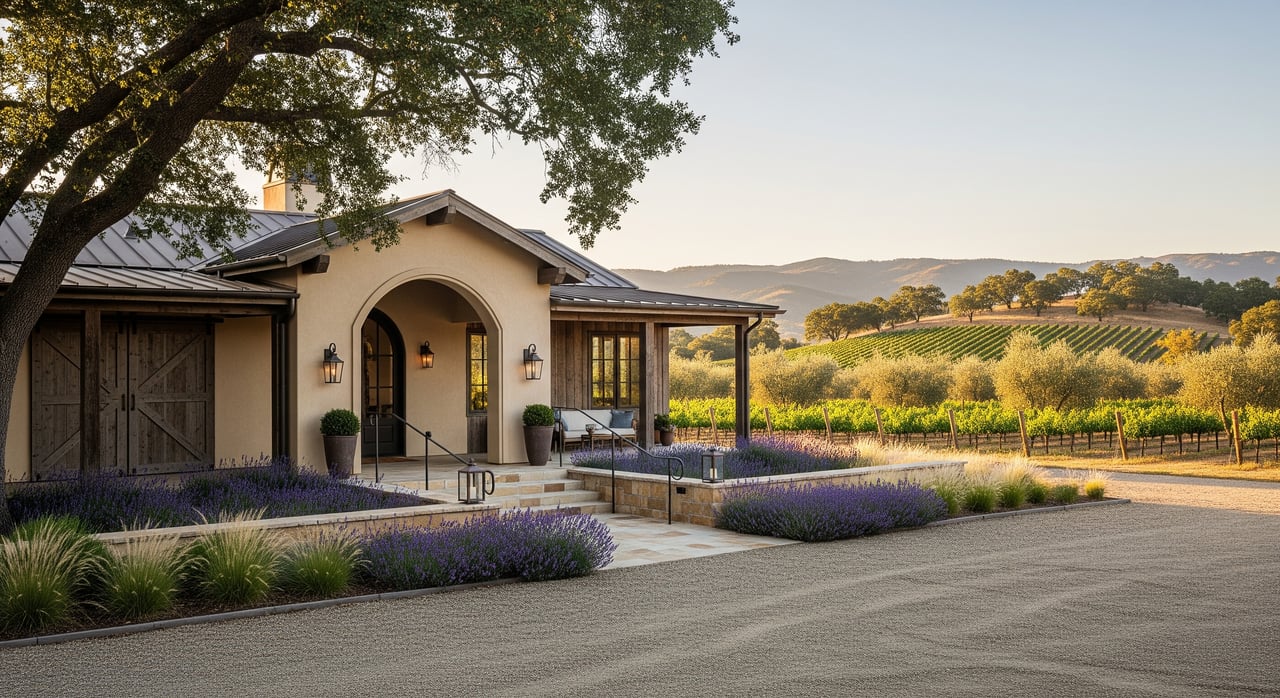
Trying to choose between Templeton and Paso Robles for a country lifestyle can feel like choosing between two great vintages. Both offer acreage, horses, and wine-country views, yet the day-to-day rhythm is different. You want space, practical infrastructure, and a community vibe that fits how you actually live. This guide compares what you will find in each area so you can pick the right fit with clarity. Let’s dive in.
Templeton gives you a quieter small-town feel with many rural residential and agricultural parcels close to a compact Main Street. It is unincorporated, which keeps the character more country-oriented.
Paso Robles is the larger city and regional hub for northern San Luis Obispo County. You get a broader mix of in-town neighborhoods, more restaurants and services, plus rural outskirts that still feel country.
If you want small-town predictability and quick access to country parcels, you may lean Templeton. If you want more amenities and events with rural options nearby, Paso Robles often fits.
Expect a strong mix of 1 to 20-plus acre offerings. You will see many 2 to 10 acre rural residential parcels, agricultural properties with grazing or vines, hobby ranches, and estate lots close to town. Buyers focused on equestrian setups or small farm uses often appreciate the variety and proximity to daily needs.
Inside city limits you will find smaller lots and suburban neighborhoods. On the outskirts and into county areas, parcels range from 2 to 40-plus acres, including larger ranches and vineyard estate sites along the Highway 46 corridor and to the west. You can live close to the action downtown and still keep horses if you choose a county-zoned property nearby.
Templeton and most rural properties around it follow San Luis Obispo County zoning rules. These county parcels are generally more permissive for agricultural and equine uses, with specific standards for setbacks, manure management, and facility siting. Commercial equine uses like boarding or riding schools may require conditional use permits.
Inside Paso Robles city limits, municipal zoning is more restrictive for livestock and commercial agriculture. Hobby horses can be allowed in specific zones, but you need to confirm. If your plan includes boarding, training, or frequent lessons, verify requirements early.
Buyer takeaway: confirm exact zoning and permitted uses with the City of Paso Robles for in-city parcels and with SLO County Planning for Templeton and county parcels. Do not assume that rural means anything goes.
Many country parcels rely on private wells. Ask for well logs, depth, and yield, and test water quality for nitrates and other factors, especially if you will water livestock or vines. In-town Paso Robles typically provides municipal water.
Rural properties often use septic systems. Verify the system’s size, age, permit status, and maintenance record. City parcels commonly connect to sewer service, which can simplify upkeep.
Power and internet vary by site. Some rural parcels need transformer extensions or alternative power solutions, and cell service can be inconsistent. Ask about broadband options before you move forward.
Road access matters. Country homes may sit behind private gates or along private roads. Confirm recorded access, road surfacing, and who pays for maintenance, especially where winter storms can impact driveability.
Budget for country-specific costs such as well treatment, septic upgrades, driveway and bridge maintenance, fencing, animal facility permits, and wildfire defensible-space work. These can be significant and vary by parcel.
For horse buyers, verify that barns, stables, and arenas were built with permits when required. Review setbacks, fencing rules, and any environmental buffers near streams. For larger herds or commercial operations, a manure management plan may be required. Arena lighting and amplified sound can trigger restrictions or neighbor concerns, so check what is allowed.
Ensure the well can support household needs, horses, and irrigation. Review septic design relative to barn locations and manure storage. Ask about dust management, pesticide or herbicide use on neighboring vineyards, and potential spray drift. These checks help you plan smart barn operations.
You will find boarding stables and trainers in the greater Paso Robles and Templeton area. Some owners keep horses on small ranches, others board. Farriers, large-animal vets, and feed suppliers are available regionally, and many services are concentrated in or near Paso Robles. If you plan to ride off property, look into public and private trail options and any permission needed.
Both Templeton and Paso Robles sit by US-101, which keeps regional access practical. A drive from Templeton to downtown Paso is typically 10 to 20 minutes depending on where you live. Trips to San Luis Obispo take about 30 to 50 minutes. Bay Area travel is several hours and tends to be occasional rather than daily.
Public transit exists at a regional scale with limited local coverage. Paso Robles also has an Amtrak stop. Day-to-day life will rely on personal vehicles.
In terms of services, Paso Robles offers more restaurants, retail, medical clinics, and emergency services in town. Templeton residents often head to Paso Robles or Atascadero for specialty healthcare, shopping, and entertainment.
Templeton is considered part of Paso Robles wine country and sits close to well-known west-side tasting corridors, including the Templeton Gap area. If you want short drives to boutique wineries and a quieter town center at night, Templeton fits the bill.
Paso Robles is the region’s wine hub with more downtown tasting rooms, events, and concert venues. You will enjoy a steady calendar of festivals and activities. The visitor economy brings weekend traffic near popular wineries and event sites. If you are shopping for a country parcel near a major wine route, expect busier weekends.
Short-term rentals are more common in Paso Robles city and in high-demand vineyard properties. Whether you can operate one depends on local zoning rules and any HOA restrictions.
Templeton is served by a smaller local district with multiple schools across grade levels. Paso Robles has a larger district with multiple campuses. School quality and programs vary by site, so verify current attendance boundaries and any magnet or charter options that matter to you.
Wildfire is a regional reality. Review parcel fire severity mapping, local defensible-space requirements, and potential insurance impacts. Costs and availability for rural fire insurance can vary, so involve your insurance broker early.
Choose Templeton if you want:
Choose Paso Robles if you want:
Choosing between Templeton and Paso Robles should feel practical and exciting, not overwhelming. You get clear guidance grounded in local land use, equestrian know-how, and the realities of country infrastructure. With a marketing-forward approach, professional photography, and neighborhood storytelling, your property search or sale stays focused on lifestyle and long-term value.
If you are selling, Compass Concierge can help fund strategic improvements that elevate your presentation. If you are buying and selling at the same time, bridge-loan solutions can ease timing. Most importantly, you gain a trusted, hands-on advisor who speaks equine fluency and understands barns, fencing, irrigation, and turnout in real life.
Ready to find the right fit between Templeton and Paso Robles for your country lifestyle? Connect with Hertha Wolff- Arend for a personalized country-home consultation and valuation.