Are you torn between walkable Main Street living and wide-open country acres in Templeton? It is a real choice with daily impacts on your time, budget, and lifestyle. You want convenience and community, but you also dream of space for gardens, a barn, or a future vineyard. This guide breaks down the tradeoffs so you can match your goals to the right property, with practical checkpoints you can use during your search. Let’s dive in.
Templeton is an unincorporated community in northern San Luis Obispo County with about 8,300 to 8,400 residents. It sits between Paso Robles and Atascadero along US‑101, about 5 miles from Paso Robles and roughly 22 to 23 miles from San Luis Obispo. These short regional distances shape commuting and access to county services. You can confirm general context in the Templeton entry on Wikipedia for a quick overview of place and scale.
Templeton’s footprint includes a compact downtown and a ring of rural and residential‑rural acreage. The County’s Templeton Community Plan and the San Luis Obispo County Land Use Ordinance (Title 22) define where in‑town residential neighborhoods sit and where larger residential‑rural and agricultural uses are expected. The plan also notes that water supply is a growth constraint, which matters when you compare municipal utility access in town to well and septic systems on acreage. If you plan any specific use, such as a barn, horses, or an accessory building, the Community Plan and Title 22 are your primary references for what is allowed on a given parcel.
If you want quick errands and community events, in‑town living near Main Street brings you close to shops, cafés, parks, and the post office. Many routine trips are on foot or a very short drive, which saves time and miles. If you split time between homes, in‑town living can be simpler to manage because services and neighbors are nearby.
Rural parcels add driving time for groceries, school drop‑offs, and appointments. Depending on which road you live on, plan for a few to 20 or more extra minutes compared to a downtown address. If you work in San Luis Obispo, map the commute from a specific parcel and test it during peak hours so you understand your real daily rhythm.
Public transit options are limited in the North County, so most residents rely on private vehicles. As a baseline, the Templeton to San Luis Obispo drive is typically about 22 to 23 miles. For a specific address, time your route at the hours you plan to travel.
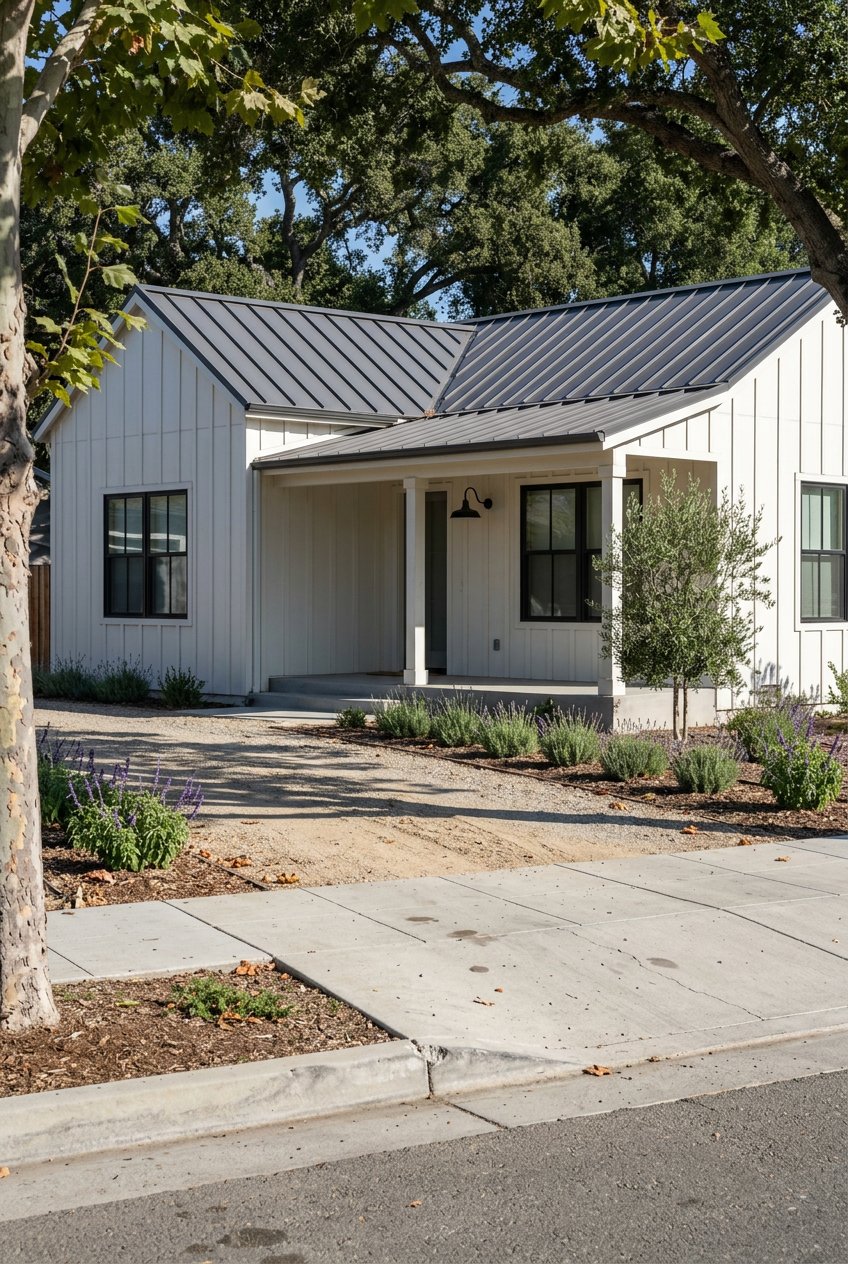
You will see historic cottages and bungalows near the older Main Street area, modest single‑family homes on smaller lots, and some infill multi‑family. Many lots are under an acre, often a quarter to a half acre in the denser core. If low‑maintenance yards, municipal utilities, and proximity to services rank high for you, this side of the market is a strong fit. The Templeton Community Plan documents the in‑town residential footprint and is a helpful orientation tool as you compare neighborhoods and densities.
Outside the core, Templeton’s landscape opens to ranchettes, ranches, and estate properties. Common parcel sizes range from 3 to 20 or more acres, with larger agricultural holdings in the mix. These properties often include wells, septic systems, fencing, and sometimes barns or small vineyards. If you value privacy, views, room for animals, or a hobby‑farm concept, acreage aligns with those goals. Land‑use categories such as Residential Rural or Agriculture are where you typically find horse‑ and vineyard‑friendly zoning.
In‑town lots are great for backyard gardens and small outdoor projects. Keeping larger animals is more limited. The County’s animal‑keeping standards in Title 22 set minimum parcel sizes and animal density rules. Many small in‑town lots do not allow horses by right, and some uses require permits. Always verify what is allowed on the parcel you are considering by reviewing the animal‑keeping section of Title 22.
Acreage is the natural choice for horses, small herds, and crops. Templeton sits near the Templeton Gap District American Viticultural Area, and the broader area has an active winegrowing culture. That said, water, soils, and microclimate vary by parcel. If a vineyard or orchard is on your wish list, review well logs, ask about any past agricultural use, and evaluate soils before you assume feasibility.
Horse ownership comes with ongoing costs. Industry sources report that routine annual care per horse, including farrier, vaccinations, basic veterinary care, and feed, commonly runs into several thousand dollars, with emergency events adding variability. You should also plan for fencing, shelter, hay storage, manure management, and insurance. If you intend to board horses for others or run a commercial operation, separate business and land‑use approvals may apply. Use this overview of current horse ownership costs to inform your budget.
Septic systems require periodic inspection and pumping. The U.S. EPA recommends inspecting septic systems about every 3 years and pumping tanks every 3 to 5 years, depending on usage and tank size. Build these recurring services into your budget and plan replacement timelines over decades of ownership.
Rural properties often have overhead power lines, and some areas face public safety power shutoffs during fire weather. Backup solutions such as generators or solar with battery storage are worth exploring if you work from home or have critical systems. Internet options vary by address. In‑town homes typically have better cable, DSL, or fixed‑wireless choices. Very rural parcels may rely on fixed wireless or satellite. Road access can be a mix of paved county roads and private or unpaved lanes. Confirm who maintains the road and whether there is an HOA or road association.
Wildfire is a key planning topic in San Luis Obispo County. Local fire planning documents for the county identify fuel management and structure hardening as priorities. Acreage owners should review Fire Hazard Severity Zone designations, understand the nearest engine company or response context, and plan for ongoing defensible‑space work.
Insurance availability and pricing in higher wildfire risk areas across California have been dynamic. Some properties may face higher premiums or fewer carrier options, and the FAIR Plan can be the insurer of last resort. Ask for pre‑purchase quotes for a specific address and discuss any available discounts for hardening, defensible space, and mitigation steps. State guidance continues to evolve, so treat quotes as current snapshots rather than guarantees.
Here are common line items to plan for, especially if you choose acreage:
Before you write an offer, work through these checkpoints:
If you are weighing Main Street living against rolling acres, you deserve clear, practical guidance from someone who lives the country lifestyle and understands the rules on paper. With an advertising background and hands‑on equestrian experience, we help you translate barn, fencing, and water questions into smart property choices. Our marketing approach highlights the lifestyle story of your home, while our transaction process stays grounded in due diligence.
If you plan to sell, Compass Concierge can prepare your property for market without upfront costs, and Compass Bridge Loan options can simplify timing for your next move. If you plan to buy, we will map utilities, animal‑keeping allowances, and maintenance realities against your long‑term goals so you feel confident at closing.
Ready to compare specific properties and see what fits your life best? Connect with Hertha Wolff- Arend for a personalized country‑home consultation and valuation.