Wondering how to sell your Templeton horse property without leaving value on the table? If you own a rural property with barns, paddocks, turnout, or an arena, you already know buyers look at more than the house. They are evaluating how the whole property functions day to day, and that is exactly where smart preparation can give you confidence before you hit the market. Let’s dive in.
In Templeton, horse properties are best presented as organized country properties with clear purpose. San Luis Obispo County notes that agricultural use is allowed in unincorporated areas, grazing is generally allowed outside urban and village reserve areas, and normal agricultural life can include manure storage, composting, dust, odors, truck traffic, and year-round operations.
That local context matters when you prepare your sale. Instead of trying to make the property feel like a suburban home with a few horse features, focus on showing buyers a well-run rural property. Clean systems, orderly spaces, and visible maintenance help buyers understand how the property lives and works.
One of the best ways to create a more confident sale is to gather disclosures before you feel rushed. In California, the Real Estate Transfer Disclosure Statement covers the property’s physical condition, defects, hazards, special taxes, assessments, and other material factors. Civil Code 1103 also requires separate hazard disclosure when applicable for conditions such as flood, fire severity, earthquake fault, seismic hazard, and wildland fire or state responsibility area status.
When you start early, you have more time to answer questions clearly and organize records. That can reduce stress later and help support a smoother transaction once buyers begin reviewing the property in detail.
It can be tempting to make quick barn, shed, or utility upgrades right before listing. In San Luis Obispo County, agricultural-building exemptions are narrow and site-specific. The county limits that exemption to certain agricultural storage structures and applies requirements that can include zoning, parcel size, setbacks, and restrictions on habitable features.
That means permit review is worth doing before you add or alter structures as part of your listing plan. Cosmetic improvements are often useful, but structural or utility changes should be approached carefully so your sale is supported by clean documentation.
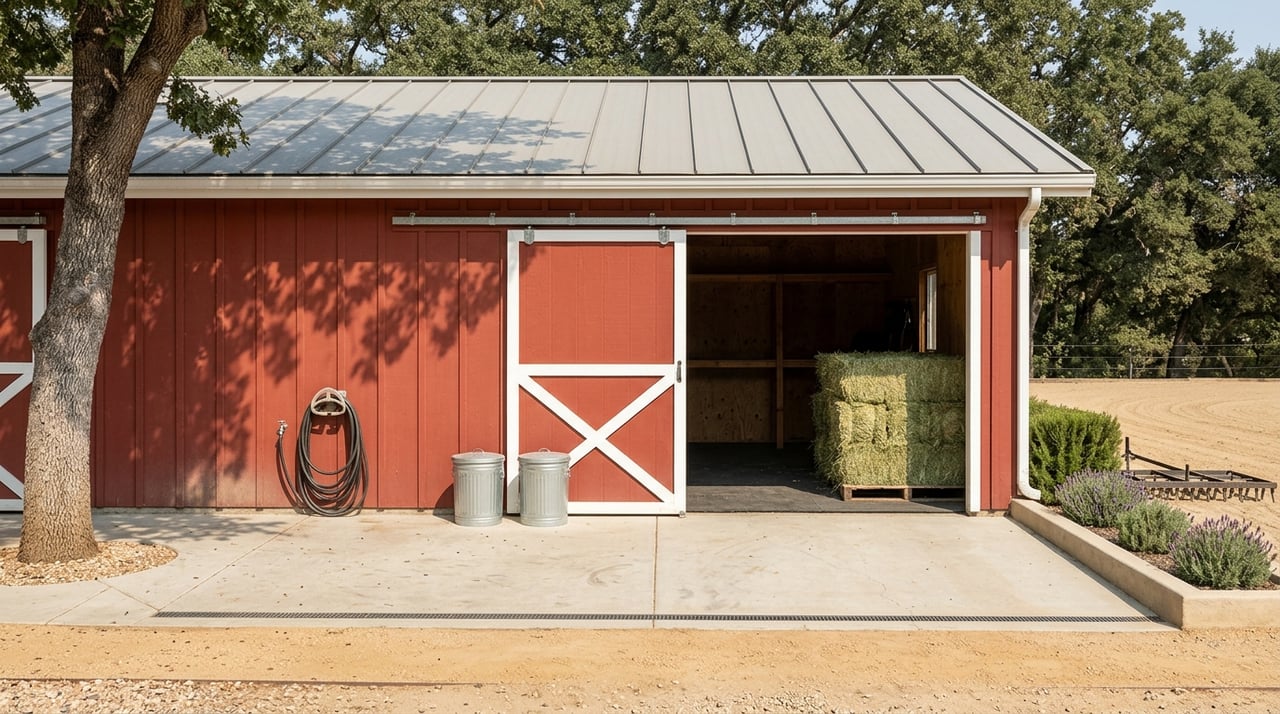
Buyers who understand horse property notice whether the barn feels easy to use. A strong first pass is a function-first cleanup that removes clutter, broken hardware, unused equipment, and anything that makes daily care look harder than it needs to be.
Efficient movement patterns also matter. Wide access points, tidy aisles, and a clearly accessible manure or stockpile area can signal that the property has been managed with intention. Even small improvements can help the barn read as practical and well cared for.
Water and feed areas should look sanitary and easy to maintain. Horses need free access to fresh, clean water, and tanks should be cleaned regularly because dirt, manure, feed droppings, and algae can contaminate water.
Before photography and showings, clean tanks, buckets, and surrounding surfaces. Remove old feed bags, sweep up spills, and make sure the area feels neat and functional. Buyers often read these small details as a sign of overall property care.
Open ground alone does not tell the full story of a horse property. Buyers want to see turnout that feels planned, usable, and maintained. That includes visible fencing, accessible gates, shelter, water, feed setup, and enough space for daily management.
Guidance for dry lots recommends at least 400 square feet per horse, large gates for equipment access, and regular manure removal. Fencing should be visible, free of sharp edges, and suitable for horse containment. If you have perimeter fencing around 5 feet high, tidy lines and secure gates can help reinforce that the setup is ready for use.
If your property includes pasture, presentation matters just as much as acreage. Dividing pasture into smaller paddocks can support rest periods, weed control, and manure management, and buyers often notice whether the land appears thoughtfully managed.
Before your listing photos, mow where needed, drag if appropriate, and pick manure so the turnout looks intentional rather than neglected. Clean edges and orderly fencing help buyers picture how the land can be used over time.
If your Templeton horse property includes an arena, treat it like a key selling feature. Buyers tend to notice whether the surface looks even, usable, and cared for. A riding surface should appear cushioned, traction-friendly, and maintained over time, not slick, dusty, or deeply rutted.
In practice, that means smoothing the footing, cleaning edges, and making drainage features visible if possible. A tidy arena can communicate consistent upkeep far better than a ring that looks ignored.
Water is one of the first topics many buyers raise on a rural property. San Luis Obispo County states that private-well water quality is not regulated or monitored by outside agencies, so the owner is responsible for ensuring the water is safe. The California State Water Board advises domestic-well owners to test water quality annually.
If your well serves both household and livestock needs, recent records can be especially helpful. Well logs, water-test results, and permit documents can give buyers a clearer picture of the property and help support your disclosure file.
Septic information is another area where preparation pays off. San Luis Obispo County encourages regular septic maintenance and says systems should be inspected and pumped every 3 to 5 years. When a tank is pumped, a licensed septage hauler must inspect the onsite system and provide a report to both the owner and the county.
If you have receipts, inspection reports, repair permits, or site plans, gather them before listing. Buyers often feel more confident when they can review a clear maintenance history rather than guess at the condition of a rural system.
Mud and runoff can quickly make an otherwise appealing horse property feel tired. High-traffic areas like gates, laneways, dry lots, feed stations, and shelter entrances deserve extra attention before photos and showings.
Guidance for horse farms recommends using high-traffic pads in busy areas, managing precipitation with gutters and swales, and keeping manure on a non-porous pad with regular removal. Manure should also be stored away from runoff paths and water bodies. When these areas look controlled and orderly, the whole property tends to show better.
A well-prepared seller file can help you answer buyer questions with confidence. For a Templeton horse property, useful records often include:
This kind of documentation supports the property’s condition story and gives buyers more clarity during due diligence.
Not every pre-sale improvement needs to be major. In fact, presentation-focused work is often the smartest investment for horse-property sellers. Staging helps buyers visualize a property as their future home, and on a rural listing that same principle extends to the barn, tack room, patio, driveway approach, and turnout views.
Simple, clean, easy-to-read spaces usually perform better than areas that feel crowded or overly personalized. Pressure washing, deep cleaning, decluttering, landscaping, gravel smoothing, fence touch-ups, gate repairs, and fresh paint can all improve first impressions.
Compass Concierge can help with presentation-oriented improvements before the property goes live. Available services can include staging, deep cleaning, decluttering, landscaping, painting, fencing, electrical work, plumbing repair, and seller-side inspections or evaluations. Compass states that repayment occurs when the home sells, the listing ends, or after 12 months, though fees or interest may apply depending on state and loan terms.
For Templeton horse-property sellers, this type of program is often most useful for cosmetic and functional polish. It is not a substitute for permit-heavy work, and county rules still apply to septic repairs, well work, and many barn-related changes.
A strong sale rarely comes from one big fix. More often, it comes from clear systems, visible care, organized paperwork, and marketing that reflects how the property actually lives. On a Templeton horse property, buyers are paying attention to the barn, turnout, water, fencing, access, and maintenance history right alongside the home itself.
That is where local strategy makes a difference. When your property is prepared to show both lifestyle and function, it becomes easier for buyers to understand its value and easier for you to move through the sale with fewer surprises.
If you are thinking about selling a Templeton horse property, Hertha Wolff- Arend can help you create a thoughtful pre-listing plan that blends equestrian know-how, polished marketing, and practical next steps.